Residential Gutter Materials Compared: Aluminum, Steel, Copper, and Vinyl
Residential gutter materials compared: aluminum, steel, copper, and vinyl help homeowners choose durable options, and local contractors can expertly install the right system for their home.
Understanding the differences between residential gutter materials-such as aluminum, steel, copper, and vinyl-is an important step for property owners considering gutter installation or replacement. Each material offers unique benefits and considerations, impacting durability, appearance, and maintenance needs. Property owners in the area who want to make informed choices about their gutter systems will find that exploring these options can help ensure their homes are protected from water damage while aligning with their aesthetic preferences and long-term goals. Local contractors specializing in residential gutter installation can provide insights and expert guidance tailored to specific material choices, helping homeowners select the best fit for their property.
As homeowners delve into the comparison of residential gutter materials, they gain a clearer understanding of how each option performs in terms of lifespan, resistance to the elements, and overall cost-effectiveness. Whether prioritizing longevity, style, or ease of maintenance, exploring these factors allows property owners to make confident decisions. Local service providers skilled in gutter installation are equipped to bring these material choices to life, ensuring that the selected system is properly installed to maximize its benefits. Keep reading to learn more about the key differences between aluminum, steel, copper, and vinyl gutters and how local contractors can assist in bringing your gutter project to completion.
- Residential gutters installation with aluminum materials - homeowners considering lightweight and rust-resistant options often seek local contractors experienced in aluminum gutter installation.
- Residential gutters installation with steel materials - those needing durable and strong gutters for high-traffic or harsh weather areas can rely on local service providers skilled in steel gutter setup.
- Residential gutters installation with copper materials - clients interested in long-lasting, decorative gutters may contact local pros who specialize in copper gutter fabrication and installation.
- Residential gutters installation with vinyl materials - property owners looking for affordable and low-maintenance gutter solutions often turn to local contractors experienced in vinyl gutter installation.
- Residential gutters installation with mixed materials - homeowners exploring combinations of different gutter materials for aesthetic or functional reasons can find local experts capable of custom installations.
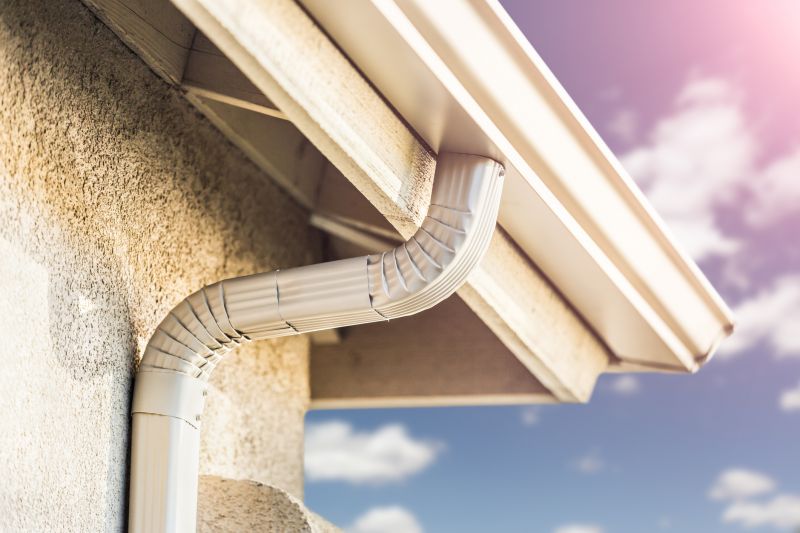
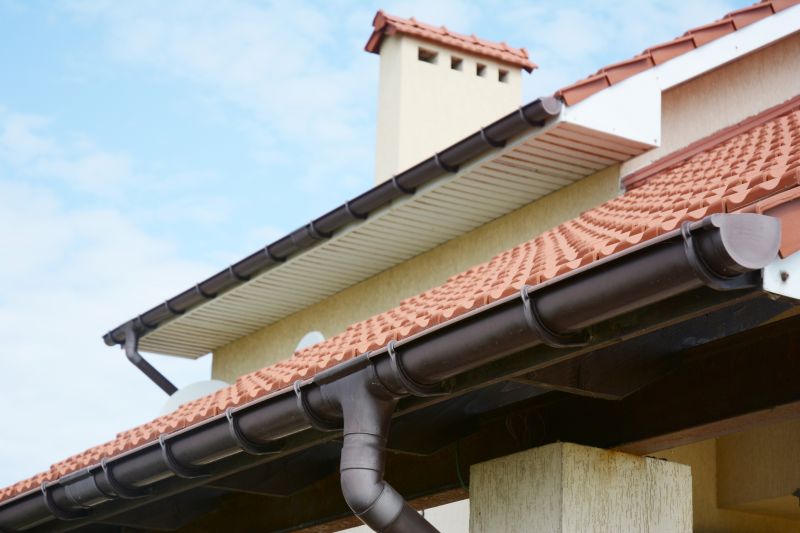
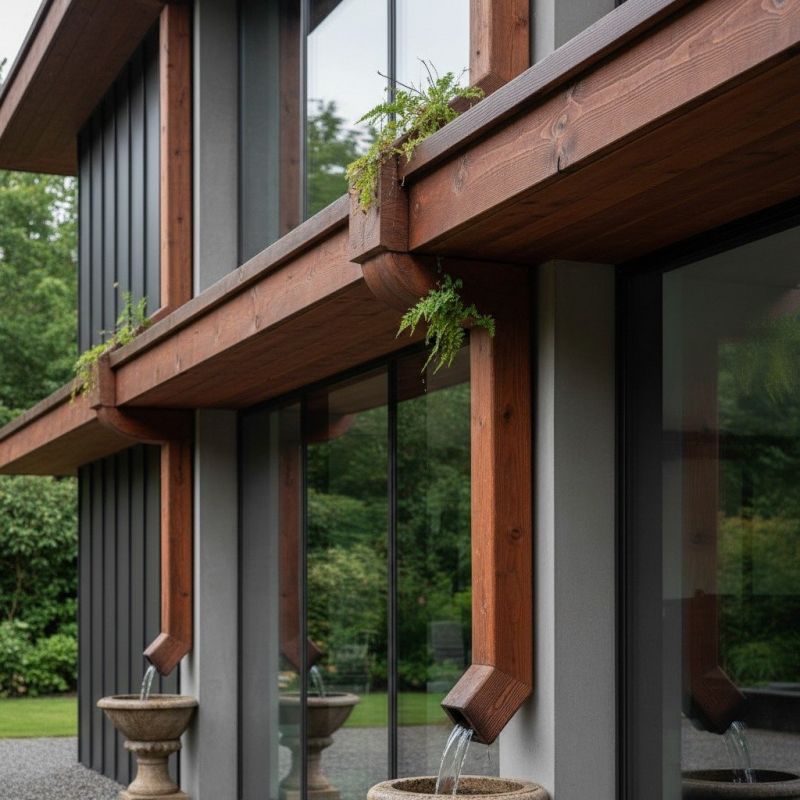
When homeowners search for residential gutter materials compared: aluminum, steel, copper, and vinyl, they are usually looking to understand the differences in durability, appearance, and maintenance needs among these options. This topic often arises during planning for a gutter replacement or new installation, especially when considering how different materials will perform over time in specific environments. Property owners may be facing issues like frequent gutter repairs, leaks, or sagging, prompting them to explore whether switching materials could improve longevity and reduce ongoing maintenance. Additionally, those with particular aesthetic preferences or property styles often seek guidance on which materials best complement their home's exterior while providing reliable protection against water damage.
This comparison is especially relevant for properties that experience varying weather conditions, such as areas with heavy rainfall, snow, or intense sunlight. Homeowners of different types of residences-ranging from single-family homes and historic houses to multi-unit buildings-may find themselves weighing the benefits of each material based on their specific needs. For example, a homeowner with a historic or upscale property might consider copper for its classic appearance, while someone with a budget-conscious project might look at vinyl for affordability. The choice of gutter material can influence the overall effectiveness of a property's drainage system, helping to prevent issues like foundation erosion, basement flooding, or landscape damage. Local service providers who specialize in residential gutter installation can assist in evaluating these factors and recommending the most suitable material for each property.
Understanding residential gutter materials compared: aluminum, steel, copper, and vinyl is also about recognizing the common problems each material addresses. Aluminum gutters are popular for their balance of cost and durability, resisting rust and corrosion while being relatively easy to install. Steel gutters tend to be stronger and more resistant to impacts but may require protective coatings to prevent rust over time. Copper gutters are prized for their aesthetic appeal and longevity, often developing a unique patina that adds character, though they come with a higher price point. Vinyl gutters offer a lightweight, low-maintenance option that’s easy to install and suited for properties where cost is a primary concern. Local contractors experienced in residential gutter services can help homeowners assess their property's specific challenges and recommend the best material choice to meet those needs.
Choosing the right gutter material depends heavily on the property type, local climate, and homeowner preferences. For example, a home in a coastal area may benefit from copper's corrosion resistance, while a suburban residence might find aluminum or vinyl more practical. Multi-story buildings or homes with unique architectural features might require sturdier steel gutters for added strength. When considering residential gutter materials compared: aluminum, steel, copper, and vinyl, it is essential to evaluate how each material aligns with the property's demands and aesthetic goals. Local service providers can evaluate the existing gutter system, discuss options, and provide expert installation to ensure the chosen material performs effectively over time, helping homeowners protect their investments and maintain the curb appeal of their property.
Metal fabrication projects - local contractors experienced in working with copper, aluminum, or steel can handle custom metal fabrication, a skill relevant to residential gutter materials compared: aluminum, steel, copper, and vinyl.
Roof flashing and metal installation - professionals skilled in installing roof flashing often work with similar materials used in gutter systems, making their expertise applicable to residential gutter material comparisons.
Cladding and siding installation - siding projects involving vinyl, aluminum, or steel panels require planning and tools similar to those used in gutter material selection and installation.
Custom metal roofing projects - local service providers experienced in metal roofing often have the skills needed for installing or repairing gutters made from similar materials like copper or steel.
Downspout and drainage system installation - installing and connecting downspouts with various gutter materials involves planning and techniques comparable to those used in gutter material comparison projects.
Home exterior renovation services - general exterior renovation projects often require knowledge of different materials, tools, and planning strategies similar to those involved in residential gutter material comparisons.
When evaluating residential gutter materials compared: aluminum, steel, copper, and vinyl, it is important to consider the experience of local contractors with similar projects. Homeowners should seek service providers who have a history of installing or replacing gutters using these specific materials. An experienced contractor will understand the nuances of each material’s installation requirements, durability considerations, and maintenance needs. Asking for references or examples of past work involving comparable gutter projects can provide insight into their familiarity with the different options and their ability to handle the unique challenges associated with each material.
Clear written expectations are essential when comparing local contractors for gutter installation services. Homeowners should ensure that service providers can clearly outline the scope of work, including material choices, installation processes, and warranty coverage. A detailed proposal helps prevent misunderstandings and ensures that everyone is aligned on the project’s details. When discussing residential gutter materials compared: aluminum, steel, copper, and vinyl, it’s beneficial to confirm that the contractor can explain the advantages and limitations of each option in the context of the homeowner’s specific needs, climate, and home architecture.
Reputable references and effective communication are key factors in selecting a reliable service provider. Homeowners are encouraged to seek out local contractors who can provide solid references from previous clients, especially for projects involving different gutter materials. Good communication involves responsiveness, clarity, and a willingness to answer questions throughout the process. This helps ensure that expectations are managed properly and that the homeowner remains informed about material options, installation timelines, and any potential issues that may arise during the project. Choosing a contractor with a track record of transparency and professionalism can lead to a smoother, more satisfactory gutter installation experience.
Property owners often search for residential gutter materials compared: aluminum, steel, copper, and vinyl when they are planning practical projects around their homes and businesses. Local pros provide Residential Gutters Installation services for everyday jobs and straightforward project options.

When exploring residential gutter materials compared: aluminum, steel, copper, and vinyl, property owners often consider factors like durability, appearance, and maintenance needs. For example, aluminum gutters are popular for their lightweight nature and resistance to rust, making them suitable for many homes that require a long-lasting solution without adding much weight to the structure. Steel gutters, on the other hand, are known for their strength and can withstand harsher weather conditions, which might appeal to homeowners seeking a more robust option. Copper gutters offer a distinctive look that can enhance curb appeal, especially for those interested in a more upscale appearance, though they tend to require more attention over time. Vinyl gutters are typically chosen for their affordability and ease of installation, making them a common choice for DIY projects or homeowners looking for a low-cost solution.
Property owners researching these options often turn to local contractors who specialize in residential gutter installation to help determine the best material for their specific needs. Experienced service providers can advise on how each material performs in the local climate, help with color and style choices, and ensure proper installation for optimal performance. Whether considering aluminum for its balance of cost and durability or copper for its aesthetic appeal, connecting with local pros ensures the project is handled efficiently and correctly. These professionals can provide the expertise needed to select and install the right gutter material, helping homeowners protect their property and maintain its appearance over time.
What are the main differences between aluminum, steel, copper, and vinyl gutters? Residential gutter materials compared: aluminum, steel, copper, and vinyl vary in durability, appearance, and maintenance needs. Local contractors can help determine which material suits specific home styles and climates.
Which gutter material is most resistant to corrosion? Copper and aluminum are highly resistant to corrosion compared to steel and vinyl. Service providers can advise on the best options to withstand local weather conditions and prevent rusting.
How do the aesthetics of different gutter materials compare? Copper offers a distinctive look that develops a patina over time, while aluminum and steel can be finished in various colors. Vinyl gutters typically have a uniform appearance and are available in multiple shades, with local pros able to help match home exteriors.
What are the maintenance considerations for aluminum, steel, copper, and vinyl gutters? Aluminum and vinyl gutters generally require less maintenance, while steel and copper may need periodic inspections for dents or patina. Local service providers can assist with upkeep and repairs to prolong gutter lifespan.
Are some gutter materials better suited for certain climates? Yes, materials like aluminum and copper perform well in diverse weather conditions, while steel may be prone to rust if not properly coated. Local contractors can recommend the best residential gutter materials based on regional climate factors.
Aluminum gutters are lightweight and corrosion-resistant, making them suitable for properties needing easy installation and long-lasting performance with the help of local contractors. Steel gutters offer strength and durability, ideal for homes in areas prone to heavy weather, with local service providers able to handle their installation securely. Copper gutters provide a distinctive appearance and longevity, allowing property owners to add a unique architectural detail through professional installation services. Vinyl gutters are affordable and easy to maintain, making them a practical choice for DIY projects or quick upgrades with assistance from local gutters specialists.
If you are thinking about residential gutter materials compared: aluminum, steel, copper, and vinyl for a property, this guide is meant to help you understand this topic, the typical project types, and how different options might fit your plans.
When you are ready, you can use the quote form on this page to share a few details about your project. From there, local pros can review the basics and follow up with options that match what you have in mind.